

In today’s rapidly evolving digital landscape, understanding the different types of AI agents can be a game-changer for businesses looking to streamline operations and enhance customer experiences. AI agents come in various forms, each uniquely equipped to tackle specific tasks—from reactive agents that swiftly respond to environmental stimuli, to deliberative agents that strategize based on set goals and beliefs, and hybrid agents that elegantly blend these approaches for superior decision-making. Not to mention specialized agents like chatbots, which revolutionize customer service, and recommendation systems that tailor personalized suggestions, making them invaluable in business applications of AI. As a trusted advisor, I’m here to guide you through leveraging these powerful tools, so you can focus on what truly matters: growing your business with confidence and ease.
Understanding AI Agents
Defining AI Agents
AI agents are software entities that autonomously perform tasks by perceiving their environment, processing this information, and taking actions to achieve specific goals. They serve as the backbone of AI technology, enabling systems to function intelligently without human intervention. These agents vary in complexity, from simple programs that follow predefined rules to sophisticated systems that learn and adapt over time. Understanding the core functionality of AI agents is crucial for businesses aiming to integrate AI into their operations. With different types of AI agents available—such as reactive, deliberative, and hybrid agents—businesses can select those best suited to their needs. By leveraging these agents, companies can enhance efficiency, automate routine tasks, and even innovate in customer service through chatbots and recommendation systems. As AI technology continues to evolve, so too will the capabilities and applications of these powerful agents.
Importance in Modern Business
AI agents are reshaping the landscape of modern business by offering unprecedented opportunities for efficiency and innovation. They play a vital role in streamlining operations, reducing costs, and enhancing customer interactions. For example, chatbots provide 24/7 customer support, handling inquiries and resolving issues without the need for human intervention. Similarly, recommendation systems personalize user experiences, driving customer engagement and loyalty. The flexibility of AI agents allows businesses to delegate routine tasks, freeing up human resources for more strategic roles. This delegation not only improves productivity but also enables companies to focus on growth and competitive advantage. As technology advances, AI agents are becoming more accessible, making it essential for businesses to understand and harness their potential. In a rapidly changing market, those who leverage AI agents effectively are likely to stay ahead of the curve, ensuring long-term success.
Key Characteristics of AI Agents
AI agents possess distinct characteristics that enable them to perform tasks autonomously and intelligently. Firstly, they are autonomous, meaning they can operate without direct human intervention, making independent decisions based on their programming and data inputs. Secondly, they are reactive—they can perceive changes in their environment and respond accordingly. This feature allows them to adapt to dynamic scenarios and ensure optimal performance. Thirdly, AI agents are goal-driven, with actions oriented towards achieving specific objectives set by their designers or users. Additionally, many AI agents have learning capabilities, enabling them to improve their performance over time by analyzing past experiences and adjusting their strategies. This adaptability is crucial for handling complex tasks and environments. Lastly, they are capable of interacting with other systems or agents, which allows for collaboration and increased functionality in multi-agent environments. These characteristics make AI agents invaluable tools for modern businesses.
Core Types of AI Agents
Reactive Agents Explained
Reactive agents are one of the most fundamental types of AI agents, operating on a stimulus-response basis. They do not rely on internal representations or historical data but instead respond directly to environmental stimuli. This simplicity allows them to execute tasks quickly and efficiently, making them ideal for environments where speed and responsiveness are critical. Reactive agents are often used in applications such as automated trading systems, where immediate reaction to market changes is essential. However, their lack of memory and foresight can be a limitation in more complex scenarios that require planning or learning from past experiences. Despite this, their straightforward design makes them highly reliable and easy to implement. By understanding the specific needs of a task, businesses can leverage reactive agents to enhance operational efficiency in appropriate contexts, ensuring that they remain competitive in a fast-paced digital world.

Deliberative Agents Overview
Deliberative agents, in contrast to reactive agents, are capable of complex decision-making based on internal models of the world and planned strategies. They utilize a wealth of information, including historical data and predictive models, to make informed decisions aimed at achieving long-term goals. This type of AI agent excels in environments where tasks require foresight, such as navigation systems or strategic game playing. Deliberative agents can weigh multiple factors, consider possible future states, and select actions that optimize the desired outcome. However, this complexity means they typically require more computational resources and time than reactive agents. Their ability to plan and reason makes them suitable for applications where accuracy and strategic thinking are prioritized. By integrating deliberative agents, businesses can tackle more intricate problems, ensuring that strategic objectives are met with precision and insight.

Hybrid Agents: The Best of Both
Hybrid agents represent a sophisticated blend of reactive and deliberative approaches, combining the strengths of both to enhance decision-making capabilities. These agents are designed to handle tasks that require both immediate responses and strategic planning. By integrating the reactive component, hybrid agents can promptly respond to environmental changes, ensuring efficiency and adaptability. Meanwhile, the deliberative aspect allows for in-depth analysis and long-term planning, enabling the agent to pursue complex goals effectively. This combination is particularly valuable in dynamic environments where conditions can shift rapidly, and strategic foresight is necessary. For instance, in autonomous driving, hybrid agents must react quickly to obstacles while also planning routes and optimizing travel efficiency. By leveraging hybrid agents, businesses can achieve a balance between speed and sophistication, allowing them to address diverse challenges with precision and agility.
Specialized AI Agents
Chatbots for Customer Service
Chatbots have revolutionized customer service by providing instant support and enhancing user experiences. These AI agents are programmed to simulate human conversation, offering assistance, answering questions, and resolving issues around the clock. Chatbots can handle multiple inquiries simultaneously, reducing wait times and improving customer satisfaction. They can be integrated into various platforms, such as websites and messaging apps, making them accessible and convenient for users. Businesses benefit from chatbots by automating routine tasks, freeing human agents to focus on more complex issues. Additionally, chatbots can collect valuable data on customer interactions, enabling companies to refine their services and personalize future engagements. As AI technology advances, chatbots continue to improve in understanding and responding to natural language, making them an indispensable tool for businesses aiming to enhance their customer service operations and stay competitive in a digital-first world.
Recommendation Systems in Action
Recommendation systems have become a cornerstone of personalized user experiences across various digital platforms. These AI agents analyze user data to suggest products, services, or content tailored to individual preferences. By understanding user behaviors and patterns, recommendation systems can increase engagement and drive conversions. For businesses, these systems are invaluable in enhancing customer satisfaction and loyalty, as they provide personalized experiences that meet users’ specific needs. E-commerce giants, streaming services, and social media platforms extensively use recommendation systems to keep users engaged and encourage repeat interactions. These systems employ techniques like collaborative filtering and content-based filtering to deliver accurate and relevant suggestions. As a result, businesses can optimize their offerings and marketing strategies, ultimately boosting revenue. Embracing recommendation systems allows companies to stay competitive by offering a customized journey for each user, fostering a deeper connection and encouraging continued patronage.
Autonomous Agents for Navigation
Autonomous agents have transformed navigation, enabling systems to operate independently in complex environments. These AI agents are integral to technologies like self-driving cars, drones, and robotic delivery systems. They combine sensors, algorithms, and decision-making capabilities to perceive surroundings, plan routes, and execute actions without human intervention. Autonomous agents are designed to adapt to real-time changes, ensuring safety and efficiency in their operations. For instance, in self-driving cars, these agents must navigate traffic, obey road signs, and avoid obstacles while optimizing travel paths. Their ability to learn from data and improve over time enhances their performance, making them increasingly reliable. Businesses benefit from autonomous agents by reducing operational costs, increasing productivity, and opening new possibilities for innovation. As technology advances, the scope and sophistication of autonomous agents will continue to grow, paving the way for more widespread adoption and transforming various industries.
Business Applications of AI
Leveraging AI for Efficiency
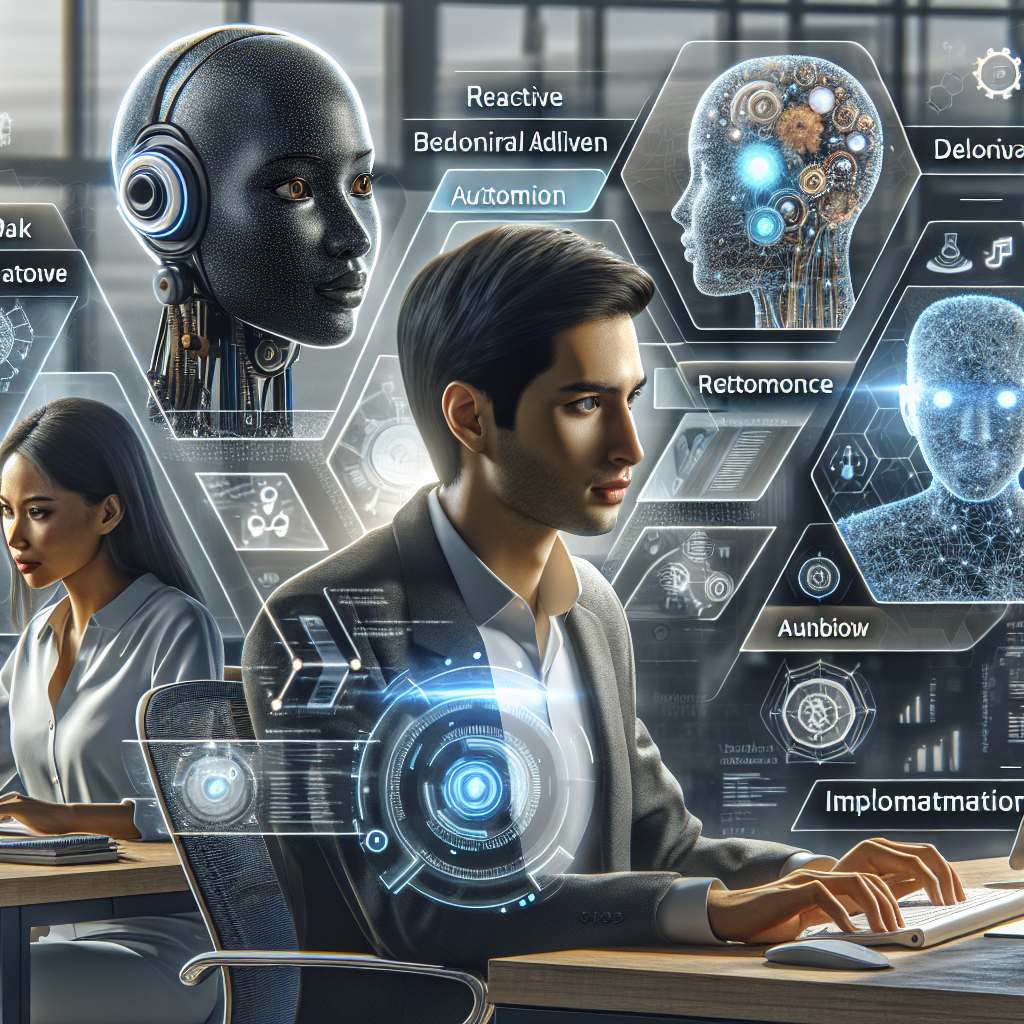
AI agents offer businesses the potential to significantly enhance operational efficiency by automating repetitive tasks, optimizing workflows, and providing data-driven insights. By integrating AI into daily operations, companies can streamline processes, reduce human error, and cut costs. For instance, AI can automate data entry, schedule management, and even complex tasks like predictive maintenance in manufacturing. By handling these tasks, AI frees human employees to focus on strategic initiatives that require creativity and critical thinking. Moreover, AI agents can analyze large volumes of data at high speeds, providing actionable insights and facilitating better decision-making. This capability allows businesses to respond quickly to market changes and customer demands, maintaining a competitive edge. As AI technology continues to evolve, its role in boosting efficiency will only become more pronounced, making it an indispensable tool for businesses aiming to optimize performance and drive growth.
Enhancing Customer Experience
AI agents are instrumental in elevating customer experience by providing personalized interactions and streamlined service delivery. Through AI-powered tools like chatbots and recommendation systems, businesses can offer tailored experiences that resonate with individual customer preferences. Chatbots enable instant, 24/7 customer support, addressing queries and resolving issues without the need for human intervention. This immediacy improves customer satisfaction and loyalty. Meanwhile, recommendation systems analyze user data to suggest products or content that align with personal tastes, fostering engagement and driving sales. Furthermore, AI can enhance customer insights through sentiment analysis, helping businesses understand customer needs and adjust their strategies accordingly. By leveraging AI to enhance customer experience, companies not only meet but often exceed customer expectations, setting themselves apart from competitors. As consumers increasingly demand personalized and efficient service, the role of AI in customer experience will continue to expand, becoming a critical component of business success.
Future Trends in AI Integration
As AI continues to advance, its integration into business operations is poised to evolve dramatically. One emerging trend is the increased use of AI in decision-making processes, where AI agents will provide real-time data analysis and predictive insights, aiding executives in strategic planning. Additionally, the rise of AI in personalization will intensify, enabling businesses to offer hyper-customized products and services that cater to individual consumer preferences. Moreover, AI-driven automation will expand beyond routine tasks into more complex areas, such as supply chain management and financial forecasting, enhancing operational efficiency further. We also expect advancements in natural language processing to make AI interactions more intuitive, facilitating seamless communication between humans and machines. As AI technology becomes more accessible, its implementation will grow among small and medium-sized enterprises, democratizing the benefits of AI across industries. These trends suggest a future where AI is deeply woven into the fabric of business, driving innovation and growth.
Choosing the Right AI Agent
Factors to Consider
Selecting the appropriate AI agent for a business requires careful consideration of several factors. First, businesses must identify their specific needs and objectives, ensuring that the chosen AI agent aligns with their strategic goals. Understanding the complexity of tasks is crucial—reactive agents may suffice for straightforward, real-time responses, while more complex tasks might benefit from deliberative or hybrid agents. Additionally, consider the scalability of the AI solution; it should accommodate future growth and evolving requirements. Integration capability is another vital factor, as the AI agent must seamlessly fit within existing systems and processes. Assessing the availability of data for training AI agents is also essential, as data quality directly impacts performance. Lastly, businesses should factor in cost, weighing the investment against potential efficiency gains and ROI. By considering these elements, businesses can make informed decisions, ensuring the AI agent is a valuable asset in achieving their goals.
Customizing AI Solutions
Customizing AI solutions is pivotal for businesses seeking to fully leverage AI’s potential. A tailored approach ensures that the AI agent aligns perfectly with the unique needs and challenges of the organization. Customization begins with a thorough understanding of the specific problems that need solving and the desired outcomes. This involves not only the selection of the right type of AI agent but also fine-tuning its algorithms and processes to fit the business context. Another aspect of customization is ensuring the AI solution integrates seamlessly with existing systems, maximizing compatibility and utility. Additionally, businesses should consider user interface design, making sure it is intuitive and accessible for end-users to interact with the AI smoothly. Finally, ongoing monitoring and adjustment are crucial, as they allow the AI to adapt to changing environments and business needs. Through customization, businesses can unlock the full power of AI, driving innovation and maintaining a competitive edge.
Partnering with Experts for Success
Engaging with AI experts can significantly enhance the success of implementing AI agents in business operations. These professionals offer invaluable insights, helping to navigate the complexities of AI technology and ensuring the chosen solutions align with business goals. By partnering with AI experts, businesses can access a wealth of knowledge on the latest advancements, gaining a competitive edge through early adoption of innovative technologies. Experts can assist in selecting the right AI agents, customizing solutions to specific needs, and ensuring seamless integration with existing systems. They also provide ongoing support and training, empowering teams to leverage AI effectively. Moreover, working with seasoned professionals mitigates risks associated with AI deployment, such as data security and compliance issues. By investing in expert partnerships, businesses not only enhance their AI capabilities but also position themselves for sustainable growth and success in a rapidly evolving digital landscape.


