

AI Calling Agents
In today’s fast-paced business world, AI calling agents are reshaping how companies manage customer communication, offering an edge in both efficiency and satisfaction. These smart systems leverage cutting-edge natural language processing and machine learning to automate phone interactions, streamline call routing, and deliver personalized customer responses. By diving into the world of AI calling agents, businesses can uncover significant benefits like improved customer satisfaction, reduced operational costs, and enhanced efficiency in managing high call volumes. We’ll explore the ins and outs of these innovative tools, offering insights on seamlessly integrating AI into existing customer service frameworks and peeking into exciting future trends in this dynamic field. Ready to transform your customer interactions? Let’s get started!
Revolutionize Your Customer Communication: How AI Calling Agents Are Transforming Business Interactions
AI Calling Agents Explained
AI calling agents are transforming customer service by automating phone interactions through advanced technologies like natural language processing and machine learning. These systems can interpret and respond to customer inquiries, making them a valuable asset in managing customer communication. By handling routine queries, they free up human agents to focus on more complex issues. AI calling agents can also personalize interactions, adapting responses based on customer history and preferences. This personalization enhances customer satisfaction and builds trust. Additionally, these agents can effectively manage call routing, ensuring customers reach the right department swiftly. This reduces wait times and improves overall service efficiency. With their ability to learn and adapt over time, AI calling agents are constantly evolving, offering a dynamic solution for businesses aiming to enhance their customer communication strategy.
Natural Language Processing & Machine Learning
Natural language processing (NLP) and machine learning (ML) are the backbone of AI calling agents. NLP enables these systems to understand and interpret human language, making interactions more intuitive and natural. This involves everything from recognizing speech patterns to understanding context and sentiment in conversations. Machine learning, on the other hand, allows these agents to improve over time. By analyzing past interactions, they can learn what responses work best and adapt to provide more accurate and efficient service. This combination of NLP and ML ensures that AI calling agents can handle a wide range of customer queries, from simple FAQs to more nuanced conversations. The result is a seamless customer communication experience that feels both human and efficient, ultimately leading to improved customer satisfaction and reduced operational costs.
Benefits of Customer Service Automation
Customer service automation through AI calling agents offers numerous advantages for businesses. One primary benefit is improved customer satisfaction. By providing quick, accurate responses, AI agents reduce wait times and frustration, leading to a better customer experience. Additionally, automation helps in operational costs reduction. Businesses can handle more calls without needing to expand their human workforce, saving on salaries and training expenses. Another advantage is enhanced efficiency. AI calling agents can manage high volumes of calls without fatigue, ensuring consistent service quality. They also allow human agents to focus on complex issues, increasing overall productivity. Finally, these systems provide valuable data insights. By analyzing interactions, businesses can uncover trends and areas for improvement, further refining their customer service strategies. Embracing customer service automation is a strategic move for companies looking to optimize performance and maintain a competitive edge.
Enhancing Customer Experience
Improved Customer Satisfaction
AI calling agents play a crucial role in boosting customer satisfaction by providing swift and accurate solutions to customer queries. They are available 24/7, allowing customers to access support whenever needed, which greatly enhances the customer experience. By minimizing wait times and ensuring that calls are routed to the appropriate department, these agents reduce frustration and improve service quality. Additionally, AI calling agents can deliver personalized interactions by utilizing customer data to tailor responses. This level of customization makes customers feel valued and understood, fostering loyalty and trust. Moreover, the consistency of service provided by AI calling agents ensures that every interaction meets the company’s quality standards, which is vital for maintaining a positive brand image. Ultimately, integrating AI into customer service frameworks can lead to a noticeable uptick in customer satisfaction, helping businesses retain customers and attract new ones.
Personalized Responses in Real-Time
Personalized responses are a key feature of AI calling agents, significantly enhancing the customer experience. These agents use data-driven insights to tailor interactions, drawing from past customer behavior, preferences, and history. This allows for a more engaging and relevant conversation, making the customer feel acknowledged and valued. Real-time personalization means that AI calling agents can adjust their responses dynamically during interactions, delivering information and solutions that are most applicable to the customer’s current situation. This capability reduces the need for customers to repeat themselves or provide additional context, streamlining the communication process. Furthermore, by offering solutions that resonate personally with customers, businesses can foster deeper relationships and build loyalty. The ability of AI calling agents to deliver personalized responses in real-time positions them as an indispensable tool for businesses aiming to enhance customer satisfaction and drive long-term engagement.
Handling High Call Volumes Efficiently
AI calling agents excel in managing high call volumes, a common challenge in customer service operations. By automating routine inquiries and efficiently routing complex issues to human agents, these systems significantly ease the burden on customer service teams. This capability ensures that all incoming calls are addressed promptly, minimizing wait times and preventing customer frustration. Moreover, AI calling agents can operate continuously without breaks, effectively handling peak times when call volumes surge. This seamless management of calls not only enhances efficiency but also maintains service quality, providing a consistent customer experience. Additionally, AI systems can scale effortlessly, adapting to fluctuating demands without the need for additional staffing. This scalability is crucial for businesses aiming to maintain operational agility and cost-effectiveness. By leveraging AI calling agents, companies can ensure that their customer service operations remain robust, responsive, and efficient, even during the busiest periods.
Cost and Efficiency Benefits
Operational Costs Reduction
Implementing AI calling agents is a strategic move for businesses aiming to reduce operational costs. These agents minimize the need for extensive human staffing by handling a large volume of calls automatically, which significantly cuts down on labor expenses. By automating routine tasks and inquiries, companies can allocate their human resources to more complex, value-added activities that require personal attention and expertise. Additionally, AI calling agents reduce the costs associated with training and onboarding new employees, as they require no training to start delivering consistent and high-quality service. Furthermore, AI systems operate around the clock without the need for overtime pay or shift differentials, ensuring consistent service without additional costs. By optimizing resource allocation and minimizing overheads, businesses can achieve substantial cost savings, enhancing their overall profitability. This efficient cost management makes AI calling agents an attractive option for companies looking to streamline operations and enhance financial performance.
Streamlined Call Routing
Streamlined call routing is a significant advantage offered by AI calling agents, directly impacting both cost savings and service efficiency. By intelligently analyzing customer inquiries and determining the most suitable department or agent for handling each call, AI systems ensure that issues are addressed by the right resources quickly. This precision reduces the need for call transfers, which can be time-consuming and frustrating for customers. Moreover, efficient call routing helps reduce the workload on human agents, allowing them to focus on complex queries that demand more attention. This not only enhances the productivity of the team but also improves customer satisfaction by ensuring faster resolution times. Additionally, streamlined routing contributes to a more organized workflow within customer service departments, minimizing bottlenecks and enhancing overall operational efficiency. By optimizing call distribution, businesses can maintain high service standards while effectively managing costs.
Increased Productivity and Efficiency
AI calling agents significantly boost productivity and efficiency within customer service operations. By automating routine and repetitive tasks, these agents free up human employees to concentrate on more complex and critical issues that require a personal touch. This shift allows customer service teams to operate at optimal levels, maximizing their potential and output. AI systems also ensure consistency and accuracy in handling calls, reducing the likelihood of errors that can occur with manual processes. Furthermore, the ability of AI calling agents to operate continuously without downtime leads to a more streamlined workflow, enhancing the overall efficiency of the service department. The integration of AI also facilitates faster response times to customer inquiries, improving the speed and quality of service delivery. This increased productivity not only benefits the company’s bottom line but also elevates the customer experience, fostering loyalty and satisfaction.

Integrating AI in Customer Service
Best Practices for Implementation
Successfully integrating AI calling agents into customer service requires careful planning and execution. First, businesses should clearly define the goals they aim to achieve with AI implementation, such as improving customer satisfaction or reducing operational costs. Next, it’s crucial to choose the right technology that fits the company’s specific needs and infrastructure. Collaborating with experienced AI providers can ensure a smoother integration process. Training staff on how to work alongside AI systems is essential, ensuring they understand the technology’s capabilities and limitations. Regularly updating and maintaining AI systems will keep them efficient and aligned with evolving business needs. Monitoring AI performance through metrics such as response times and customer feedback can help identify areas for improvement. Finally, maintaining transparency with customers about the use of AI in service interactions builds trust and sets realistic expectations. By following these best practices, companies can maximize the benefits of AI in their customer service operations.
Overcoming Common Integration Challenges
Integrating AI calling agents into customer service can present several challenges, but these can be effectively managed with strategic approaches. One common issue is resistance to change within the organization. To overcome this, businesses should involve employees early in the planning process, providing training and demonstrating how AI will enhance their roles. Another challenge is ensuring data privacy and security. Companies must implement robust data protection protocols and comply with relevant regulations to safeguard customer information. Technical integration with existing systems can also pose difficulties. Partnering with experienced AI vendors can ensure seamless compatibility and provide support during the transition. Additionally, some businesses may struggle with setting realistic expectations about AI capabilities. Clear communication with stakeholders about what AI can and cannot do will help align expectations and reduce potential disappointments. By addressing these challenges proactively, companies can achieve a successful integration of AI into their customer service operations, maximizing benefits and minimizing disruptions.
Tailoring AI Solutions to Business Needs
Customizing AI calling agents to align with specific business needs is crucial for maximizing their effectiveness. Each company has unique requirements, and AI solutions should be designed to address these specific challenges and objectives. To start, businesses should conduct a thorough analysis of their customer service operations to identify pain points and areas for improvement. This understanding will guide the customization process, ensuring that AI capabilities are matched to business priorities. Working closely with AI providers can facilitate the development of tailored solutions that integrate seamlessly with existing systems and workflows. Additionally, businesses should consider scalability, ensuring that the AI system can grow and evolve alongside the company. Regularly reviewing and updating AI functionalities will keep the technology relevant and aligned with changing business needs. By tailoring AI solutions, companies can enhance customer service efficiency, improve customer satisfaction, and achieve a competitive edge in the market.
Future of AI in Business
Emerging Trends in AI Calling Agents
The landscape of AI calling agents is rapidly evolving, with several trends shaping the future of customer communication. One significant trend is the integration of advanced natural language processing capabilities, enabling AI systems to understand and respond to more complex queries with human-like finesse. This evolution promises more seamless and engaging interactions, enhancing customer satisfaction. Another trend is the use of predictive analytics, allowing AI calling agents to anticipate customer needs and offer proactive solutions. This capability can lead to more personalized experiences and improved customer loyalty. Additionally, AI calling agents are increasingly being integrated with other digital channels, creating a unified customer service experience across platforms. This omnichannel approach ensures consistency and convenience for users. As AI technology continues to advance, businesses can expect AI calling agents to become even more sophisticated, offering greater efficiency and effectiveness in managing customer interactions.
Innovations in Customer Communication
The future of customer communication is set to be transformed by innovations in AI calling agents. One of the most exciting developments is the adoption of voice biometrics, which enhances security by verifying customer identities through unique voice patterns. This innovation not only boosts security but also streamlines the user experience by reducing the need for traditional authentication methods. Another advancement is the integration of emotion recognition technology. By analyzing vocal tones and speech patterns, AI calling agents can assess customer emotions, enabling more empathetic and tailored responses. Additionally, the integration of AI with augmented reality (AR) and virtual reality (VR) is on the horizon, offering immersive customer support experiences. These technologies can simulate real-life scenarios, providing customers with interactive assistance. As these innovations continue to develop, businesses that leverage them will be better positioned to offer more advanced, efficient, and personalized customer communication solutions.
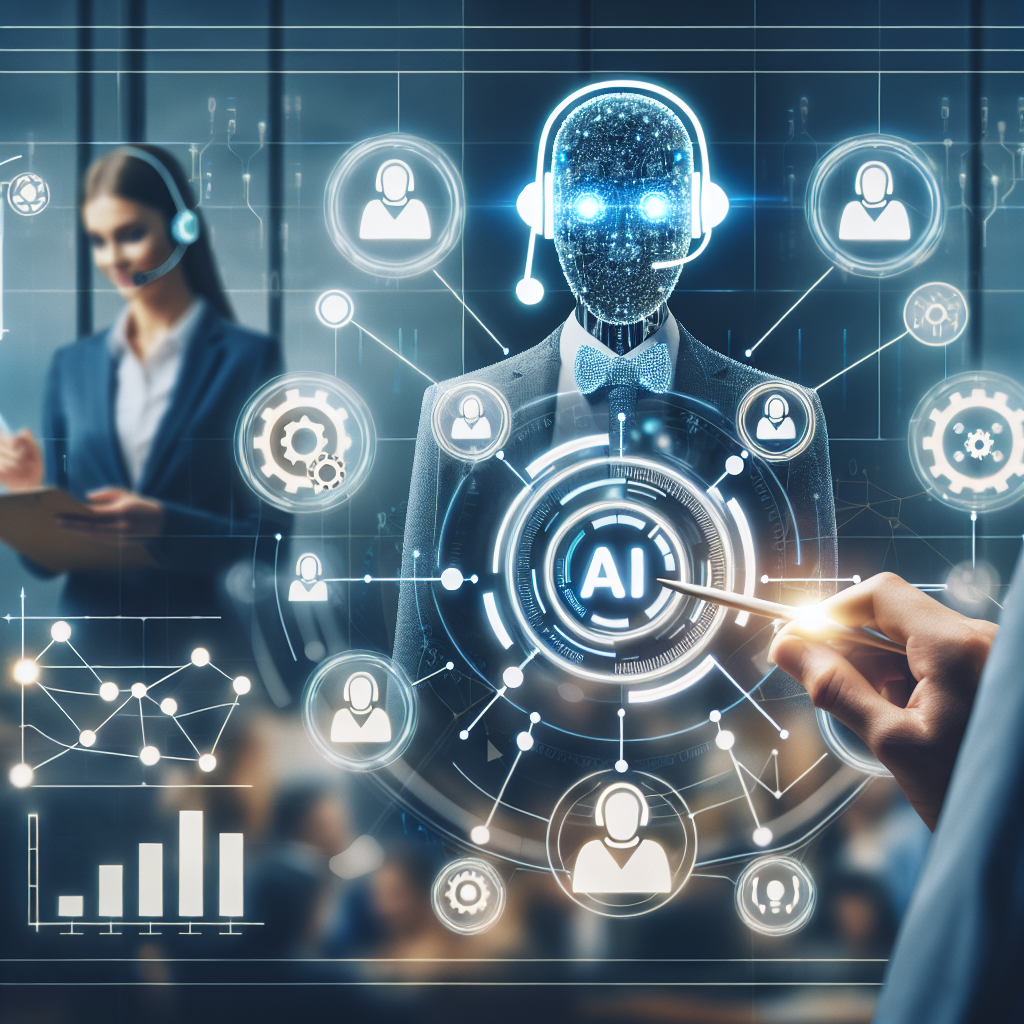
Preparing for the Future of AI
Businesses looking to harness the full potential of AI calling agents must prepare strategically for the future of AI. A key step is investing in ongoing learning and development to keep teams informed about new AI capabilities and industry trends. This involves training staff to effectively collaborate with AI systems, ensuring they are comfortable and proficient in using these tools. It’s also crucial to adopt a flexible and scalable AI infrastructure that can adapt to technological advancements and changing business needs. Regularly reviewing and updating AI strategies will help businesses remain competitive. Furthermore, ethical considerations, such as data privacy and user consent, should be prioritized to build trust with customers. Engaging with AI experts and industry forums can provide valuable insights and guidance. By taking these proactive measures, businesses can position themselves to leverage AI effectively, driving innovation and success in the rapidly evolving landscape of customer communication.


