

AI Agents for Business
In today’s competitive landscape, small business owners and entrepreneurs are constantly seeking ways to boost productivity and streamline operations. Leveraging AI Agents for business applications has become a game-changer, empowering businesses to achieve these goals with remarkable efficiency. From automated customer support systems that handle inquiries round-the-clock to data analytics tools that uncover valuable insights, AI for small businesses is transforming how they operate. By embracing these technological advancements, business owners can delegate routine tasks and focus on growth and innovation, feeling confident and reassured that AI-driven solutions are optimizing their processes. Join us as we explore the top AI tools every small business needs to thrive in this digital era.
From Customer Support to Data Analytics: The Top AI Tools Every Small Business Needs
Streamlining Customer Interaction
Automated customer support solutions are a vital part of enhancing small business productivity. By using AI applications like chatbots and virtual assistants, businesses can streamline customer interactions efficiently. These tools are available 24/7, ensuring that customer inquiries are handled promptly without the need for constant human intervention. They can manage a range of tasks, from answering frequently asked questions to guiding customers through purchasing processes.
Implementing these systems helps reduce the workload on your team, freeing them to focus on more complex issues that require human touch. This not only improves response times but also enhances customer satisfaction. As these solutions evolve, they adapt to customer needs, providing personalized interactions that build customer loyalty. In essence, automated customer support is not just about efficiency; it’s about creating a seamless experience for your customers, driving growth and fostering trust in your brand.
Cost-Effective AI Applications
AI applications for customer support are not only efficient but also cost-effective, making them ideal for small businesses. Deploying AI-driven support systems can significantly lower operational costs by reducing the need for large customer service teams. This shift allows small businesses to allocate resources more strategically, investing savings in areas that drive growth, like marketing or product development.
Moreover, these AI tools are scalable, easily adapting to business growth without the need for continuous hardware or staffing investments. Businesses can start small, with basic solutions, and expand features as needed. This flexibility ensures that customer service resources match business demands, preventing overspending.
In addition to cost savings, automated systems minimize the errors that come with human handling, enhancing service quality. By integrating AI, small businesses not only streamline operations but also create a more sustainable model for scaling customer support effectively.

Enhancing Customer Experience
An enhanced customer experience is crucial for small businesses aiming to differentiate themselves in a competitive market. AI applications in customer support can significantly uplift this experience by providing swift and accurate assistance. AI tools are capable of understanding and processing natural language, allowing them to engage with customers in a more human-like manner. This interaction not only improves the immediacy of support but also tailors responses to individual customer needs.
Furthermore, AI systems can learn from previous interactions, continuously improving their efficiency and effectiveness. By analyzing data, these systems offer personalized recommendations, enhancing customer satisfaction and loyalty. This level of service ensures customers feel valued and understood, which is pivotal in building long-term relationships.
Small businesses that leverage AI for customer support can offer a superior customer journey, fostering positive impressions and encouraging repeat business. By prioritizing customer experience, businesses can achieve a competitive edge, driving growth and retention.
Data Analytics Tools for Growth
Transforming Raw Data to Insights
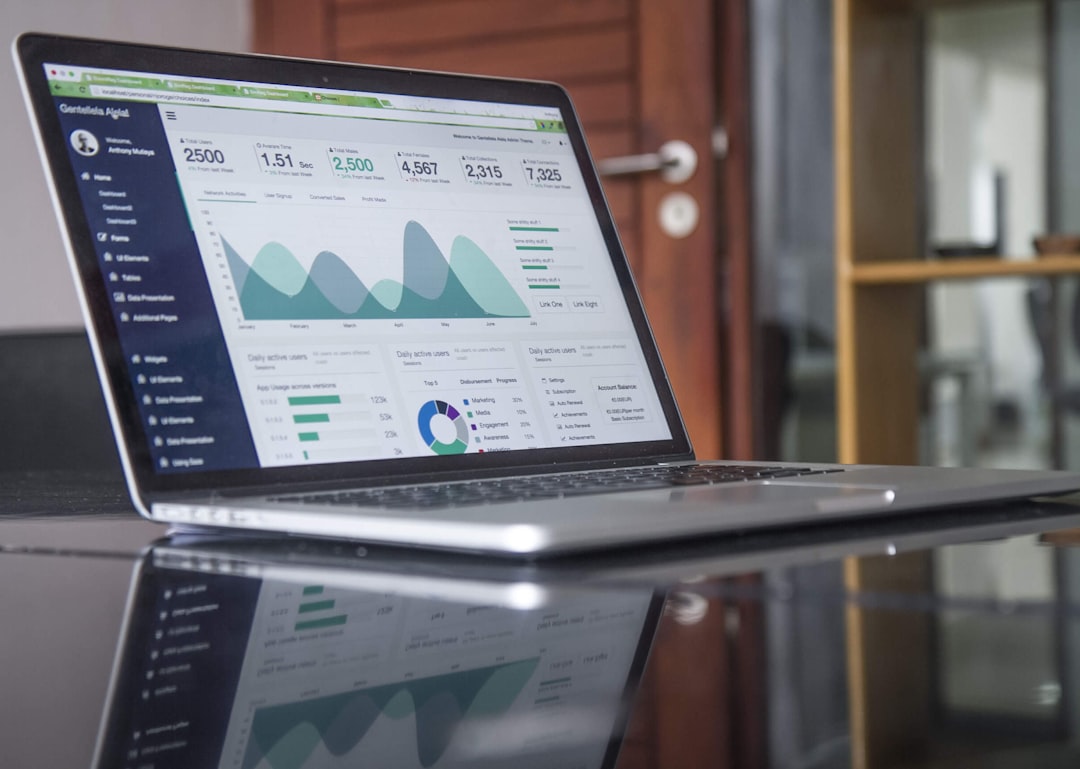
For small businesses, transforming raw data into actionable insights is a game-changer. Data analytics tools allow businesses to sift through vast amounts of data, identifying patterns and trends that inform strategic decisions. With AI-driven analytics, small businesses can gain a deeper understanding of customer behavior, market dynamics, and operational efficiencies.
These insights help businesses tailor their offerings, optimize marketing strategies, and improve overall performance. By utilizing predictive analytics, businesses can also anticipate customer needs and respond proactively, enhancing customer satisfaction and loyalty.
Moreover, these tools are designed to be user-friendly, meaning business owners without a technical background can easily interpret data findings. This accessibility empowers businesses to make informed, data-driven decisions that fuel growth. In the modern business landscape, leveraging data analytics is essential for staying competitive and responsive to market changes.
Predictive Analytics for Small Business
Predictive analytics is a powerful tool that empowers small businesses to foresee future trends and make proactive decisions. By analyzing historical data, predictive models can forecast customer behaviors, sales trends, and market movements. This foresight enables businesses to allocate resources efficiently, tailor marketing strategies, and optimize inventory management.
Small businesses can benefit from predictive analytics by identifying potential growth opportunities and mitigating risks before they impact operations. These insights allow business owners to make strategic decisions with greater confidence, ensuring they remain agile and responsive to market demands.
Moreover, predictive analytics can help in personalizing customer experiences, offering tailored recommendations that increase customer engagement and loyalty. By leveraging this technology, small businesses can not only enhance their competitive edge but also drive long-term sustainability and profitability. Embracing predictive analytics is essential for any small business looking to thrive in today’s data-driven marketplace.

Real-Time Monitoring and Reporting
Real-time monitoring and reporting are crucial features of data analytics tools that significantly enhance small business productivity. These tools provide instantaneous access to data insights, enabling businesses to track key performance metrics as they happen. This immediacy allows for swift adjustments in strategy, ensuring that business operations remain aligned with goals and market conditions.
For small businesses, real-time reporting can be a competitive advantage. It offers visibility into daily operations, customer interactions, and sales performance without delay. Business owners can make informed decisions quickly, responding to issues or opportunities as they arise.
Moreover, real-time analytics facilitate transparency and accountability within teams, keeping everyone informed and aligned with business objectives. This fosters a data-driven culture where strategic decisions are based on current and accurate data, rather than assumptions or outdated information. Implementing real-time monitoring and reporting helps small businesses maintain agility and effectiveness in a fast-paced market.
Employee Productivity Tools
AI-Powered Task Management
AI-powered task management tools are transforming how small businesses boost productivity and streamline operations. These tools efficiently organize and prioritize tasks, ensuring that team members focus on high-impact activities. By automating routine scheduling and reminders, AI task managers reduce the cognitive load on employees, allowing them to concentrate on more strategic tasks.
These systems analyze workloads and deadlines, offering intelligent recommendations on task prioritization. This optimization helps prevent bottlenecks and enhances team productivity. Additionally, AI tools can adapt to individual work styles, providing personalized approaches to task management.
For business owners, implementing AI-powered task management promotes a more organized and proactive work environment. Teams can collaborate effectively, with clear visibility on project progress and responsibilities. This not only improves efficiency but also fosters a sense of accountability and motivation among employees. Overall, AI-driven task management is a valuable asset for any small business aiming to enhance productivity and operational efficiency.
Efficient Communication Platforms
Efficient communication platforms are crucial for enhancing employee productivity, especially in small businesses where seamless coordination is key. AI applications integrated into communication tools streamline interactions by automating routine responses and organizing conversation threads, making it easier for teams to access pertinent information quickly.
These platforms support a variety of communication methods—including instant messaging, video conferencing, and collaborative workspaces—ensuring that teams remain connected regardless of location. AI-driven features, such as scheduling assistants and language translation, further enhance communication efficiency by reducing the back-and-forth typically associated with coordinating meetings and understanding cross-language dialogue.
For small businesses, investing in efficient communication platforms leads to faster decision-making, reduced misunderstandings, and a more cohesive team dynamic. Employees can focus on their tasks without the distraction of inefficient communication barriers, ultimately leading to improved performance and satisfaction. By leveraging these tools, businesses can cultivate a collaborative culture that supports growth and innovation.

Performance Tracking and Feedback
Performance tracking and feedback are essential components of employee productivity tools that help small businesses optimize their workforce. AI applications play a pivotal role in this area by providing real-time tracking of employee performance metrics, such as task completion rates, project timelines, and overall productivity levels.
These tools offer detailed insights into individual and team performance, enabling managers to identify areas for improvement and recognize top performers. With AI-driven analysis, businesses can implement personalized development plans that align with employee strengths and opportunities for growth.
Moreover, automated feedback systems facilitate transparent and continuous communication between managers and employees. This approach not only boosts morale but also fosters a culture of accountability and continuous improvement. By utilizing AI for performance tracking and feedback, small businesses can enhance employee engagement, reduce turnover, and drive overall productivity. This strategic focus on performance can lead to increased efficiency and competitiveness in the market.
AI for Streamlining Operations
Automating Routine Tasks
Automating routine tasks is one of the most impactful ways AI can streamline operations for small businesses. By handling repetitive and time-consuming tasks, AI applications free up valuable time for employees to focus on more strategic activities. This includes tasks like data entry, inventory management, scheduling, and customer follow-ups.
AI-powered automation tools can seamlessly integrate with existing systems, ensuring a smooth workflow without requiring significant changes to business processes. These tools can predict and execute tasks with high accuracy, minimizing errors and improving overall efficiency.
For small business owners, automating routine tasks reduces operational costs and increases productivity. It allows businesses to scale operations without proportionately increasing staffing levels, fostering sustainable growth. Moreover, employees benefit from reduced burnout, as they are relieved from monotonous activities and can engage in more meaningful work. By embracing AI automation, small businesses can enhance their competitive edge and drive innovation.
Inventory and Supply Chain Management
AI applications in inventory and supply chain management are revolutionizing how small businesses operate, offering significant improvements in efficiency and accuracy. AI systems can predict demand by analyzing sales trends and customer behavior, ensuring optimal inventory levels. This minimizes overstock and stockouts, reducing storage costs and improving cash flow.
In supply chain management, AI tools enhance visibility and coordination among suppliers, warehouses, and distribution channels. They provide real-time insights into the supply chain, enabling businesses to anticipate disruptions and adjust logistics accordingly. This proactive approach ensures timely deliveries and maintains customer satisfaction.
Moreover, AI-driven systems can automate reorder processes, track shipments, and manage supplier relationships, all of which streamline operations. By leveraging AI for inventory and supply chain management, small businesses can improve operational efficiency, reduce costs, and achieve a competitive advantage in the marketplace. This strategic application of AI leads to a more agile and responsive business model.
Reducing Operational Costs Through AI
Reducing operational costs is a primary benefit of integrating AI into small business operations. AI applications can automate labor-intensive tasks, such as data processing, customer service, and inventory management, which lowers staffing expenses and minimizes human error. This efficiency leads to cost savings that can be reinvested into other areas of the business, like product development or marketing.
AI tools also optimize energy use and maintenance schedules by predicting equipment malfunctions before they occur, preventing costly downtime. Additionally, AI can enhance procurement processes by identifying cost-effective suppliers and negotiating better contracts based on data analytics.
By streamlining operations through AI, businesses can achieve a leaner and more responsive operation, adapting quickly to market changes without incurring significant financial burdens. This approach not only boosts productivity but also enhances long-term profitability and sustainability, allowing small businesses to allocate resources more strategically.
Boosting Small Business Productivity
The Role of AI in Business Growth
AI plays a pivotal role in driving business growth for small enterprises by enhancing productivity and unlocking new opportunities. By automating mundane tasks, AI frees up time for employees to focus on strategic initiatives that drive innovation and revenue. This shift not only improves operational efficiency but also fosters a culture of creativity and problem-solving.
AI applications provide valuable insights through data analytics, enabling businesses to make informed decisions that align with market trends and consumer preferences. This foresight allows small businesses to adapt quickly, securing a competitive edge in their industry.
Moreover, AI tools can personalize customer experiences, increasing engagement and loyalty, which are crucial for growth. By leveraging AI for targeted marketing and customer service, small businesses can expand their reach and improve customer retention.
In essence, AI acts as a catalyst for sustainable growth, empowering small businesses to scale operations, optimize resources, and achieve long-term success.

Delegating to AI: Freeing Up Time
Delegating tasks to AI allows small businesses to maximize productivity by freeing up valuable time for employees and business owners. By automating routine and repetitive tasks, such as data entry, appointment scheduling, and basic customer inquiries, AI applications reduce the burden on human resources. This delegation enables staff to focus on more complex and strategic activities that require human creativity and decision-making.
For business owners, this shift means more time to concentrate on growth initiatives, strategic planning, and innovation. It also leads to a more motivated and engaged workforce, as employees can devote their energy to meaningful work rather than mundane tasks.
Furthermore, AI-driven automation ensures consistency and accuracy, minimizing the risk of human error. This reliability enhances overall business operations, contributing to increased efficiency and productivity. By embracing AI for task delegation, small businesses can create a more dynamic and agile work environment, paving the way for sustained growth and success.

Future Trends in AI for Small Businesses
As AI technology continues to evolve, small businesses can expect to see several trends that will further enhance productivity and operational efficiency. The integration of AI with the Internet of Things (IoT) is one such trend, enabling businesses to gather and analyze data from connected devices. This convergence will lead to smarter decision-making and more efficient resource management.
Another promising trend is the advancement of natural language processing (NLP), which will improve AI’s ability to understand and interact with human language. This will enhance customer service interactions, making them more intuitive and effective.
AI-driven personalization is also set to grow, allowing businesses to tailor products, services, and marketing efforts to individual customer preferences. This level of customization can significantly boost customer satisfaction and loyalty.
Moreover, democratization of AI tools means that even the smallest businesses will have access to powerful AI solutions without the need for extensive technical expertise. These trends collectively promise a future where AI continues to be a vital component of small business success.


