

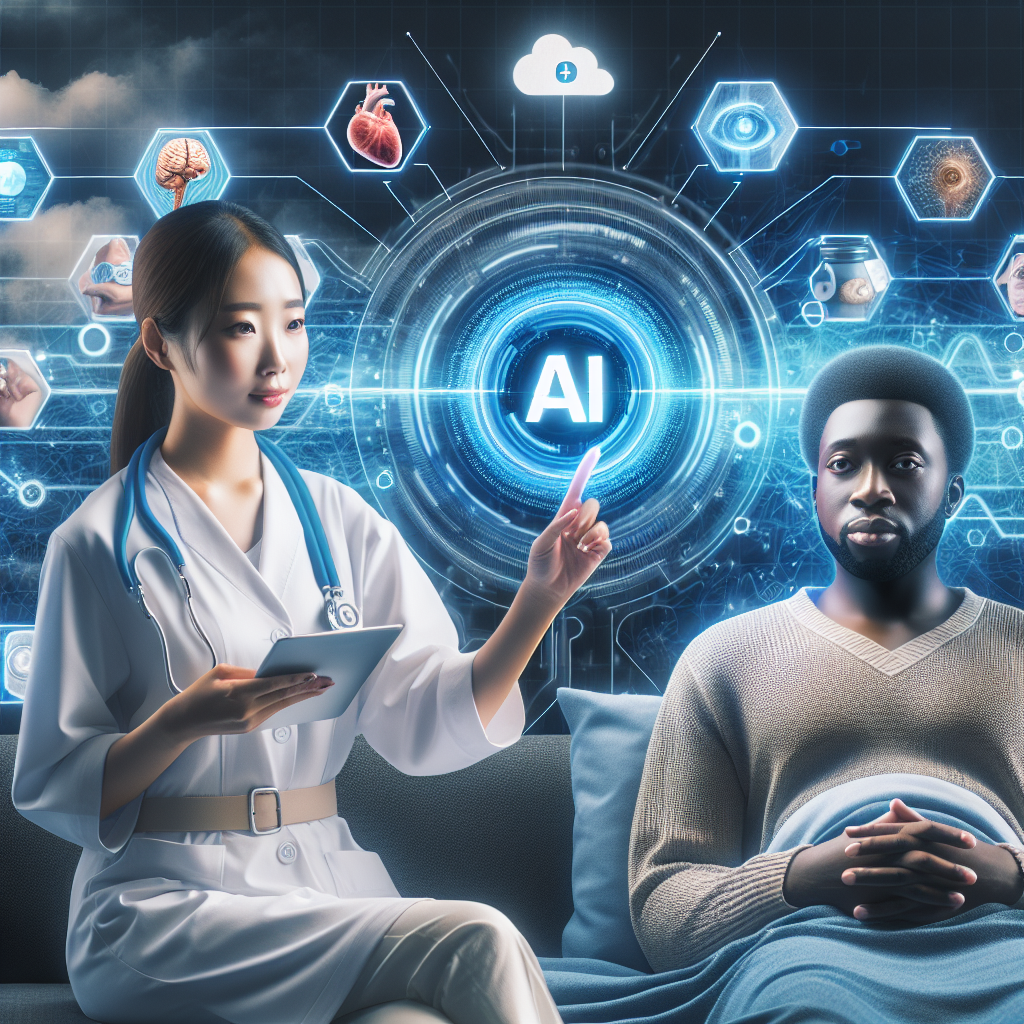
AI Agents for doctors are proving to be game-changers, offering a much-needed lifeline in reducing burnout and enhancing efficiency. With the rise of AI agents in healthcare, doctors can now streamline administrative tasks that once consumed precious time, allowing them to focus more on patient care. These innovative tools are not just about improving workflow; they bring a wave of optimism by providing support in medical diagnostics and ensuring personalized patient interactions. By embracing the benefits of AI for doctors, the medical community is poised to improve patient care with AI, ultimately leading to better outcomes and a more sustainable work-life balance for healthcare professionals.
Introduction to AI in Healthcare
The Rise of AI Agents
AI agents are making significant strides in healthcare, transforming how medical professionals approach their work. These intelligent systems help automate routine tasks, such as scheduling, record-keeping, and billing, which traditionally take up a lot of time. By handling these responsibilities, AI agents in healthcare allow doctors to focus more on patient care and less on paperwork. Moreover, AI tools for doctors are not just limited to administrative efficiency. They’re increasingly being used to support clinical decisions and improve diagnostic accuracy. As a result, the integration of AI in medical diagnostics is steadily rising, enabling healthcare providers to offer more precise and personalized care. This shift promises to alleviate some of the pressures faced by healthcare professionals, reducing burnout in healthcare settings and fostering a more balanced work environment.

Benefits of AI for Doctors
The incorporation of AI agents in healthcare presents numerous advantages for doctors. One of the primary benefits of AI for doctors is the significant reduction in administrative burdens. By automating repetitive tasks, AI tools free up valuable time, allowing doctors to dedicate more attention to patient interactions. This increased focus on patient care leads to improved satisfaction for both patients and healthcare providers. Furthermore, AI systems enhance diagnostic processes by analyzing vast amounts of data quickly and accurately, supporting doctors in making informed clinical decisions. This capability not only improves patient care with AI but also leads to better health outcomes. Additionally, AI agents help in managing workloads more efficiently, contributing to reducing burnout in healthcare environments. By creating a more sustainable work-life balance, AI tools for doctors play a crucial role in fostering a healthier, more effective workforce.

Reducing Burnout in Healthcare
Burnout among healthcare professionals is a pressing issue, with long hours and administrative duties contributing significantly to stress. AI agents in healthcare offer a viable solution for alleviating this burden. By automating routine tasks, these intelligent systems reduce the time doctors spend on paperwork, allowing them to focus on what truly matters—patient care. This shift not only improves the quality of care but also enhances job satisfaction, which is crucial for reducing burnout in healthcare. Moreover, AI tools for doctors can assist in decision-making processes, lessening the cognitive load on physicians as they make critical clinical judgments. By providing accurate data analysis and insights, AI can help prevent errors, further reducing stress. The implementation of AI in medical diagnostics and other areas thus fosters a more balanced work environment, helping healthcare professionals maintain their passion and commitment to their vital roles.
Streamlining Administrative Tasks
Automating Routine Paperwork
Routine paperwork has long been a time-consuming aspect of healthcare, detracting from the time doctors can dedicate to patients. AI agents in healthcare are revolutionizing this aspect by streamlining administrative tasks. These systems are capable of managing patient records, scheduling appointments, and processing billing with minimal human intervention. By automating these duties, AI tools for doctors free up substantial time, allowing healthcare professionals to focus on patient care and clinical responsibilities. This automation not only enhances operational efficiency but also reduces errors that often occur with manual data entry. As a result, patient records are more accurate and accessible, improving the overall quality of care. Furthermore, by reducing the clerical workload, AI helps in reducing burnout in healthcare settings, contributing to a more balanced and productive work environment. Embracing these technologies can lead to significant improvements in both the administrative and clinical facets of healthcare.
Efficient Scheduling Systems
Efficient scheduling is crucial in healthcare for optimizing patient flow and resource management. AI agents in healthcare have introduced advanced scheduling systems that enhance this process. These systems analyze patterns in patient visits and staff availability, automatically generating schedules that maximize productivity while minimizing waiting times. By employing AI tools for doctors, healthcare facilities can ensure that appointments are booked efficiently, reducing gaps and overlaps that lead to wasted resources. Moreover, AI-driven scheduling systems can adapt to changes in real-time, quickly rescheduling appointments when cancellations occur, thus maintaining a smooth workflow. This capability not only improves patient satisfaction by reducing wait times but also alleviates the administrative burden on staff, contributing to reducing burnout in healthcare settings. By streamlining the scheduling process, AI agents enable medical professionals to focus more on delivering quality care, ultimately enhancing the overall efficiency and effectiveness of healthcare services.
Managing Patient Records
Managing patient records efficiently is a critical aspect of healthcare operations, directly impacting the quality of care delivered. AI agents in healthcare are increasingly being utilized to streamline this process. These intelligent systems automate the organization, retrieval, and updating of patient information, significantly reducing the time doctors and staff spend on these tasks. By leveraging AI tools for doctors, healthcare facilities can maintain precise and up-to-date records, minimizing errors associated with manual data entry. Furthermore, AI-enhanced systems ensure that patient data is easily accessible, allowing healthcare providers to make informed decisions quickly. This capability is vital for improving patient care with AI, as it supports accurate diagnostics and tailored treatment plans. Additionally, automating the management of patient records helps in reducing burnout in healthcare, as it alleviates the administrative workload, allowing medical professionals to focus more on patient interaction and care delivery.
Enhancing Diagnostic Processes
AI in Medical Diagnostics
AI in medical diagnostics is revolutionizing how healthcare providers identify and treat diseases. By utilizing advanced algorithms, AI agents in healthcare can analyze complex datasets with speed and precision, aiding doctors in diagnosing conditions more accurately. These systems are capable of interpreting medical images, identifying patterns, and predicting patient outcomes, which significantly enhances the diagnostic process. AI tools for doctors provide a second opinion, improving diagnostic confidence and reducing the likelihood of errors. This capability is crucial for improving patient care with AI, as it enables earlier detection of diseases, leading to better treatment options and improved patient outcomes. Additionally, the integration of AI in medical diagnostics alleviates some cognitive burdens on healthcare professionals, contributing to reducing burnout in healthcare. By providing reliable support in diagnostics, AI agents empower doctors to make informed decisions, enhancing the overall quality and efficiency of the healthcare system.
Improving Patient Care with AI
Improving patient care with AI is a central focus of modern healthcare innovations. AI agents in healthcare are equipped to analyze vast amounts of data, providing insights that enhance personalized treatment plans. These tools help doctors tailor care to individual patient needs, considering factors such as genetic information, lifestyle, and medical history. By offering precise data interpretations, AI tools for doctors enable targeted therapies that improve treatment efficacy and patient satisfaction. Moreover, AI systems can predict potential health issues before they become serious, allowing for proactive intervention and better health outcomes. This proactive approach greatly reduces the burden of chronic diseases and improves overall patient wellbeing. Additionally, AI in medical diagnostics supports continuous monitoring, providing real-time feedback to healthcare providers. This capability enhances the timeliness and accuracy of care, ensuring that patients receive the best possible treatment. Overall, integrating AI into patient care processes fosters a more responsive and efficient healthcare environment.
Predictive Analytics in Treatment
Predictive analytics in treatment is transforming healthcare by using AI to forecast patient outcomes and optimize care strategies. AI agents in healthcare leverage machine learning algorithms to analyze historical data, identify trends, and make predictions about a patient’s future health trajectory. This proactive approach enables healthcare providers to anticipate potential complications and intervene early, improving patient care with AI. By understanding risk factors and potential outcomes, doctors can tailor treatment plans to individual patient needs, enhancing the efficacy of interventions. Predictive analytics also supports decision-making processes by providing evidence-based insights, reducing uncertainty in treatment planning. This capability not only improves clinical outcomes but also contributes to reducing burnout in healthcare by streamlining the decision-making process. By incorporating predictive analytics, healthcare systems are better equipped to manage resources efficiently, prioritize patient care, and ultimately deliver more personalized and effective treatments. This integration marks a significant advancement in the pursuit of precision medicine.
Personalized Patient Interactions
Tailoring Treatment Plans
Tailoring treatment plans using AI is enhancing personalized patient interactions by aligning medical care with individual needs. AI agents in healthcare analyze diverse data sources, including genetic information, patient history, and current health status, to develop customized treatment strategies. This personalized approach ensures that each patient receives the most appropriate and effective care. AI tools for doctors support this process by offering insights that might not be readily apparent, allowing for adjustments in therapy that maximize benefits and minimize risks. By tailoring treatment plans, healthcare providers can address specific patient concerns, leading to improved satisfaction and outcomes. Additionally, personalized treatment plans promote better adherence to medical advice, as patients are more likely to follow regimens that are clearly relevant to their personal health goals. This level of customization not only improves patient care with AI but also enhances the doctor-patient relationship, fostering trust and engagement in the healthcare process.
Virtual Health Assistants
Virtual health assistants are revolutionizing personalized patient interactions by acting as a bridge between patients and healthcare providers. These AI-driven tools offer continuous support, providing patients with immediate answers to common health questions and guidance on medication management. By leveraging natural language processing and machine learning, virtual health assistants can understand and respond to patient inquiries in real-time, ensuring that users receive accurate and relevant information. This immediate access to health resources enhances patient engagement and empowers individuals to take an active role in their healthcare. Additionally, virtual assistants can monitor patient symptoms and provide reminders for medication or appointments, promoting adherence to treatment plans. This capability not only improves patient care with AI but also frees up medical staff to focus on more complex tasks, contributing to reducing burnout in healthcare settings. By facilitating easy access to healthcare information, virtual health assistants help foster a more informed and proactive patient population.
Engaging Patient Communication
Engaging patient communication is crucial for effective healthcare delivery, and AI agents in healthcare are enhancing these interactions. By using AI-powered platforms, doctors can communicate with patients more efficiently, providing timely updates and personalized information. These systems utilize chatbots and virtual assistants to maintain an ongoing dialogue with patients, addressing their queries and concerns promptly. Such tools ensure that patients feel heard and valued, which is essential for building trust and compliance with medical advice. AI tools for doctors also enable the customization of communication, tailoring messages based on patient preferences and health status. This personalized approach improves patient engagement, leading to better adherence to treatment plans. Furthermore, by streamlining communication, AI reduces the workload on healthcare providers, allowing them to focus on critical care tasks. Engaging patient communication facilitated by AI fosters a supportive healthcare environment, ultimately enhancing patient satisfaction and improving health outcomes.
Transforming Healthcare Workflows
Integrating AI Tools for Doctors
Integrating AI tools for doctors is pivotal in transforming healthcare workflows, enabling more efficient and effective medical practices. These tools automate routine tasks such as data entry, appointment scheduling, and patient monitoring, allowing healthcare professionals to dedicate more time to direct patient care. By reducing administrative burdens, AI agents in healthcare streamline operations, enhancing the overall efficiency of medical facilities. Moreover, AI tools support clinical decision-making by providing data-driven insights that aid in accurate diagnosis and treatment planning. This integration not only improves patient care with AI but also reduces the potential for human error, enhancing safety and outcomes. Furthermore, the use of AI can facilitate interdisciplinary collaboration by sharing insights and data across different departments, ensuring cohesive and coordinated care. By adopting AI technologies, healthcare systems can optimize resource allocation, improve patient satisfaction, and foster a more sustainable and responsive healthcare environment, ultimately transforming traditional workflows.
Collaborative AI Platforms
Collaborative AI platforms are reshaping healthcare workflows by enhancing communication and coordination among healthcare teams. These platforms integrate data from various sources, providing a centralized system that facilitates seamless information sharing among doctors, nurses, and specialists. By using AI tools to analyze and consolidate patient data, healthcare providers gain comprehensive insights into patient care, enabling more informed decision-making. This collaborative approach ensures that all team members are aligned on treatment plans, reducing the risk of miscommunication and enhancing the continuity of care. Additionally, AI-driven platforms can suggest best practices and recommend adjustments based on real-time data, contributing to improved clinical outcomes. These systems foster an environment of continuous learning and adaptation, empowering healthcare teams to deliver personalized and efficient care. By leveraging collaborative AI platforms, healthcare organizations can optimize workflows, enhance teamwork, and ultimately improve patient care with AI, creating a more cohesive and efficient healthcare delivery system.
Future Trends in Medical AI
Future trends in medical AI are set to further revolutionize healthcare workflows, promising advancements that enhance efficiency and patient outcomes. As AI technology continues to evolve, we can expect more sophisticated algorithms capable of handling complex diagnostic and therapeutic tasks. One major trend is the integration of AI with wearable devices, facilitating continuous health monitoring and real-time data analysis. This innovation allows for personalized insights and proactive healthcare management, potentially preventing illnesses before they escalate. Additionally, the growth of AI in genomics will enable more precise and individualized treatment plans, aligning with the goals of precision medicine. Furthermore, AI is likely to become more involved in surgical procedures, offering enhanced precision and reducing human error. These advancements will foster a more predictive and preventative approach to healthcare. As AI becomes more embedded in medical practices, healthcare systems will increasingly rely on these technologies to deliver improved care, streamline operations, and enhance patient experiences.


