

An AI-powered virtual receptionist is revolutionizing how businesses interact with clients, offering a polished and efficient communication experience. Imagine having a reliable assistant that never sleeps, tirelessly managing phone calls, scheduling appointments, and answering FAQs while capturing vital customer data. This innovative solution not only boosts efficiency and slashes operational costs but also elevates customer satisfaction to new heights. Throughout this narrative, we’ll dive into the remarkable functionalities of virtual receptionists, showcasing real-world success stories and the promising future of this technology in transforming customer service. Join us as we explore how embracing this advanced tool can free you to focus on what truly matters in growing your business.
Unleash Efficiency: The Top Benefits of Adopting an AI Virtual Receptionist for Small Businesses
Transforming Business Communication
AI virtual receptionists are reshaping the landscape of business communication by streamlining interactions and enhancing client engagement. With their ability to handle inquiries 24/7, these virtual assistants ensure that no customer query goes unanswered, significantly improving response times.
Moreover, they personalize interactions by using data-driven insights to tailor responses to each client’s needs, fostering a more meaningful connection. Businesses can now manage high volumes of communication without compromising on quality, allowing human staff to focus on more complex tasks that require a personal touch.
This transformation goes beyond mere efficiency; it empowers businesses to project a professional image and build trust with their clientele. As a result, companies can nurture stronger relationships with customers while maintaining a consistent and reliable communication channel.
Key Features and Capabilities
AI virtual receptionists come packed with features that enhance their functionality and make them indispensable to modern businesses. One of the standout capabilities is their ability to manage call routing and handle large volumes of inquiries without breaking a sweat. By utilizing advanced algorithms, they prioritize and direct calls to the appropriate department or individual, ensuring efficient communication flow.
These virtual assistants are also adept at scheduling appointments, offering a seamless booking experience that reduces scheduling conflicts and no-shows. Additionally, they excel at handling FAQs, providing quick and accurate responses based on a vast database of information.
Moreover, AI receptionists capture and securely store essential customer data during interactions, aiding in personalized service and future client engagement strategies. This wealth of data is invaluable for businesses aiming to refine their customer experience and gain insights into client behavior.
Industry Relevance and Importance
AI virtual receptionists hold significant relevance across various industries, offering universal benefits that enhance operational efficiency and customer service. In the healthcare sector, for example, they streamline the appointment booking process, manage patient inquiries, and provide information on medical services. This reduces the administrative burden on staff, allowing healthcare professionals to concentrate on patient care.
In retail, virtual receptionists improve customer satisfaction by offering prompt responses to product inquiries and support issues, creating a smoother shopping experience. For financial services, these AI-powered assistants ensure that customer queries are handled securely, maintaining compliance with industry regulations while enhancing client trust.
The importance of implementing AI receptionists lies in their ability to deliver consistent and high-quality service, regardless of industry. This technology not only improves the customer experience but also provides businesses with a competitive edge by optimizing resource allocation and reducing costs.
Core Functions of Virtual Receptionists

Managing Phone Communications
AI virtual receptionists excel in managing phone communications by automating call handling processes, which ensures that every call is managed efficiently and professionally. These virtual assistants can screen and prioritize calls, forwarding them to the correct person or department based on predefined criteria. This minimizes wait times for callers and optimizes the workflow within the organization.
Moreover, they handle call logging and tracking, providing businesses with valuable data that can be used to assess call volume, peak times, and customer concerns. By doing so, companies can better allocate resources and improve service levels.
Virtual receptionists also facilitate 24/7 availability, meaning that businesses can maintain communication lines open even outside of regular business hours. This level of accessibility not only enhances customer satisfaction but also ensures that potential opportunities are not missed due to unanswered calls. In essence, AI virtual receptionists empower businesses to provide seamless and reliable phone communication services.
Efficient Appointment Scheduling
AI virtual receptionists streamline appointment scheduling, making it a hassle-free experience for both businesses and clients. By automating the booking process, they eliminate the back-and-forth communication typically required to find a suitable time slot. This ensures that appointments are scheduled swiftly and accurately, freeing up human staff to focus on more pressing tasks.
These virtual assistants seamlessly integrate with existing calendar systems, allowing for real-time updates and synchronization. This integration reduces the risk of double bookings and scheduling conflicts, ensuring that appointments run smoothly and patients or clients are seen on time.
Furthermore, AI receptionists can send automated reminders and confirmations via email or SMS, reducing no-show rates and enhancing client engagement. The convenience of self-service booking provides clients with the flexibility to schedule appointments at their convenience, enhancing overall satisfaction. This efficient appointment management capability ultimately contributes to improved business operations and client experience.
Handling FAQs with Ease
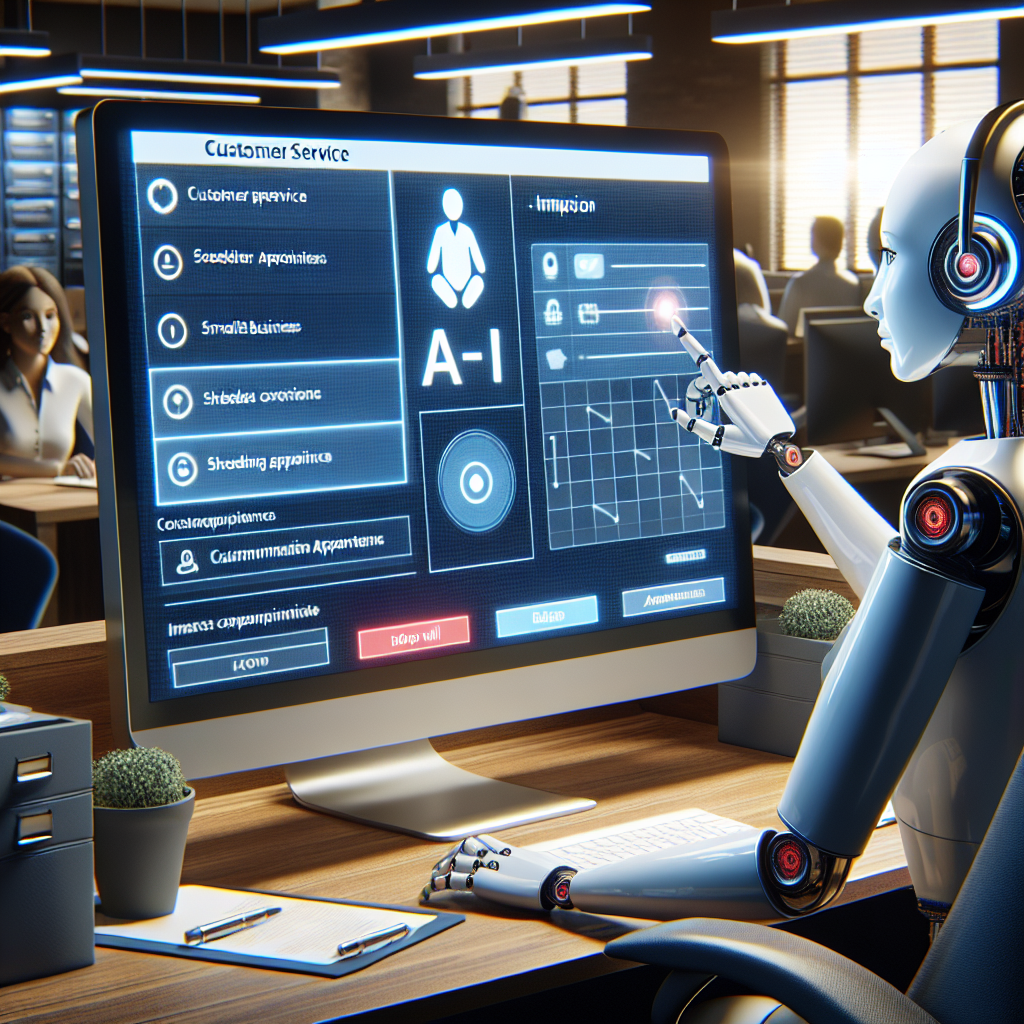
AI virtual receptionists are adept at handling frequently asked questions, providing quick and precise responses that enhance customer engagement. By leveraging natural language processing, these assistants can understand and respond to a wide range of inquiries, offering accurate information efficiently.
This capability reduces the burden on human staff, allowing them to focus on more complex queries that require personal attention. It also ensures that clients receive immediate assistance, regardless of the time of day, improving overall customer satisfaction.
Moreover, the ability to update and expand their FAQ database means that AI receptionists can adapt to new questions and industry changes, ensuring that the information provided is always current and relevant. Businesses benefit from consistent messaging across all interactions, which helps maintain brand integrity and trust.
In essence, handling FAQs with ease not only streamlines customer service operations but also strengthens the relationship between businesses and their clients by delivering reliable and swift support.
Advantages of AI Integration
Boosting Operational Efficiency
Integrating AI virtual receptionists into business operations significantly boosts operational efficiency by automating routine tasks and streamlining processes. This integration frees up valuable time for employees, allowing them to focus on more strategic and creative projects that require human insight and expertise.
AI receptionists handle multiple tasks simultaneously, such as managing communications, scheduling, and data entry, with remarkable speed and accuracy. This reduces the likelihood of human errors and ensures that operations run smoothly and efficiently.
Moreover, these virtual assistants provide businesses with real-time insights and analytics, enabling data-driven decision-making that can further enhance productivity and resource allocation. By optimizing workflow and reducing the need for manual intervention, AI integration minimizes operational costs while maintaining high service standards.
The enhanced efficiency not only leads to improved customer satisfaction but also positions businesses to better adapt to changing market demands and stay competitive in their respective industries.
Cost-Effectiveness and Savings
One of the most compelling advantages of integrating AI virtual receptionists is their cost-effectiveness. By automating tasks traditionally handled by human employees, businesses can significantly reduce labor costs associated with staffing a full-time receptionist team. This reduction in overhead expenses means that resources can be redirected towards growth-driving activities, such as marketing and product development.
Additionally, AI receptionists operate around the clock without incurring overtime or requiring benefits, further enhancing their cost efficiency. They handle a wide range of tasks simultaneously, ensuring that operations continue smoothly without the need for additional personnel during peak times.
Moreover, the potential for errors is minimized, reducing costs associated with mistakes and customer dissatisfaction. The streamlined processes enabled by AI also lead to faster turnaround times, improving overall business agility.
Ultimately, the savings achieved through AI integration enhance a company’s bottom line, allowing for reinvestment in other critical areas and enabling businesses to offer competitive pricing strategies.
Elevating Customer Experiences
AI virtual receptionists play a pivotal role in elevating customer experiences by delivering consistent, personalized, and efficient service. Their ability to operate 24/7 ensures that customers receive timely responses to their inquiries, enhancing satisfaction and loyalty. This round-the-clock availability means businesses never miss an opportunity to engage with clients, even outside regular business hours.
By personalizing interactions based on customer data, AI receptionists provide tailored responses that resonate with individual client needs. This personalized service fosters a sense of connection and trust between the business and its customers, enhancing the overall experience.
Moreover, by efficiently managing and resolving frequent queries, AI receptionists allow human staff to focus on building deeper, more meaningful relationships with clients. This division of labor enhances service quality and ensures that complex or sensitive issues receive the attention they deserve.
In essence, AI integration transforms customer service from a routine process into a strategic advantage that strengthens brand loyalty and drives business growth.
Real-World Success Stories
Case Studies of Implementation
Several businesses across various sectors have successfully implemented AI virtual receptionists, reaping significant benefits in efficiency and customer satisfaction. For instance, a healthcare clinic integrated AI receptionists to handle appointment scheduling and patient inquiries. This resulted in a 30% reduction in wait times and a 20% increase in patient satisfaction scores. Staff members were also able to dedicate more time to patient care, improving overall service quality.
In the retail industry, an e-commerce company deployed AI receptionists to manage customer support queries during peak shopping seasons. The result was a notable decrease in response times and a significant increase in sales conversion rates, as customers received timely assistance with their purchase decisions.
Additionally, a financial services firm utilized AI receptionists for handling client inquiries and compliance-related questions. This integration enhanced the firm’s ability to manage large volumes of inquiries efficiently, maintaining high levels of customer trust and satisfaction.
These case studies highlight the tangible benefits and transformative impact of AI receptionists on business operations.
Measurable Outcomes and Benefits
Businesses that have adopted AI virtual receptionists report a range of measurable outcomes that underscore the technology’s value. One significant benefit is the dramatic reduction in operational costs—companies typically see a decrease of up to 50% in expenses associated with staffing and training human receptionists.
Furthermore, customer engagement metrics improve significantly. Many businesses experience an increase in customer satisfaction scores, often rising by 20% or more, thanks to the enhanced response times and personalized service provided by AI receptionists.
Another notable outcome is the increased efficiency in handling client interactions. Businesses frequently report a reduction in call handling time by up to 40%, allowing them to serve more customers effectively.
Additionally, the data collection and analytics capabilities of AI receptionists provide actionable insights, enabling companies to refine their service offerings and marketing strategies. These measurable benefits demonstrate the profound impact AI virtual receptionists have in driving business success and enhancing customer experiences.
Lessons Learned from Early Adopters
Early adopters of AI virtual receptionists provide valuable insights into successful implementation strategies and potential challenges. One key lesson is the importance of customizing AI systems to align with specific business needs and customer expectations. This ensures that the virtual receptionist provides relevant information and enhances user experiences.
Another crucial takeaway is the significance of continuous monitoring and updates. Businesses that regularly update their AI systems benefit from improved accuracy and efficiency, as new data and customer feedback are integrated into the system. This iterative process helps maintain high service standards and adapt to changing customer demands.
Additionally, early adopters emphasize the need for seamless integration with existing business processes and technologies. Ensuring compatibility with current systems minimizes disruptions and maximizes the benefits of AI implementation.
Overall, these lessons highlight the importance of strategic planning, ongoing optimization, and adaptability in leveraging AI virtual receptionists to achieve desired business outcomes and improve customer interactions.
Future of AI in Customer Service
Innovations on the Horizon
The future of AI in customer service is brimming with exciting innovations poised to further revolutionize how businesses interact with clients. One promising development is the integration of advanced natural language processing (NLP) capabilities, which will enable AI to understand and respond to customer inquiries with even greater nuance and context. This evolution promises more human-like interactions that enhance customer satisfaction.
Another innovation is the use of AI to predict customer needs and preferences through enhanced data analytics. By analyzing patterns and behaviors, AI systems can proactively offer personalized solutions, transforming reactive customer service into a predictive and personalized experience.
Moreover, we can expect AI to increasingly integrate with other emerging technologies, such as augmented reality (AR) and virtual reality (VR), providing immersive customer service experiences. These advancements will empower businesses to offer comprehensive and engaging support, setting new standards for customer interaction.
As these innovations unfold, businesses that leverage cutting-edge AI technologies will gain significant competitive advantages in delivering exceptional customer service.
Long-Term Business Impacts
The long-term impacts of AI in customer service are transformative, promising sustained improvements in efficiency and customer engagement. As AI systems become more sophisticated, businesses can expect to handle customer interactions with greater precision and personalization, fostering deeper relationships and brand loyalty.
Over time, the integration of AI will lead to significant cost reductions by automating routine tasks and minimizing the need for extensive human resources. This allows businesses to allocate financial resources to innovation and growth initiatives, driving competitive advantage.
Furthermore, AI’s ability to analyze vast amounts of data will enable businesses to gain deeper insights into customer behaviors and preferences, informing strategic decision-making and product development. This data-driven approach ensures that businesses remain agile and responsive to market changes.
Ultimately, the continued evolution of AI in customer service will redefine industry standards, with companies that embrace these technologies reaping the benefits of enhanced customer experiences, operational excellence, and sustained competitive edge.
Preparing for Technological Advancements
As AI technologies continue to evolve, businesses must prepare strategically for these advancements to fully capitalize on their potential. A proactive approach involves investing in scalable AI solutions that can adapt to future technological developments and integrate seamlessly with existing systems.
Training and upskilling staff to work alongside AI technologies are crucial steps in this preparation. Employees who understand how to leverage AI tools effectively can enhance productivity and provide more value to the business.
Additionally, fostering a culture of innovation within the organization encourages exploration of new AI applications and creative problem-solving. This mindset ensures that businesses remain competitive and agile in a rapidly changing technological landscape.
Moreover, staying informed about emerging AI trends and technologies will enable businesses to anticipate shifts in customer expectations and industry standards. By preparing for these advancements, companies can ensure they are not only ready to implement new technologies but also poised to lead in delivering cutting-edge customer service solutions.


